

npm implemented authentication upgrades in December 2025 following Sha1-Hulud, chalk/debug incidents to curb supply-chain compromises in Node ecosystem. Npm supply chain overhaul revokes long-lived tokens for short-lived sessions via MFA-enabled login and OIDC for CI.
Changes limit blast radius but phishing on npm console and optional MFA bypass tokens sustain risks. Maintainers face ongoing threats to package integrity, impacting dependent projects’ confidentiality and availability.
Historical Token Risks
Classic tokens enabled indefinite access, allowing stolen creds to publish malware sans verification. Incidents like Shai-Hulud exploited this for broad propagation.
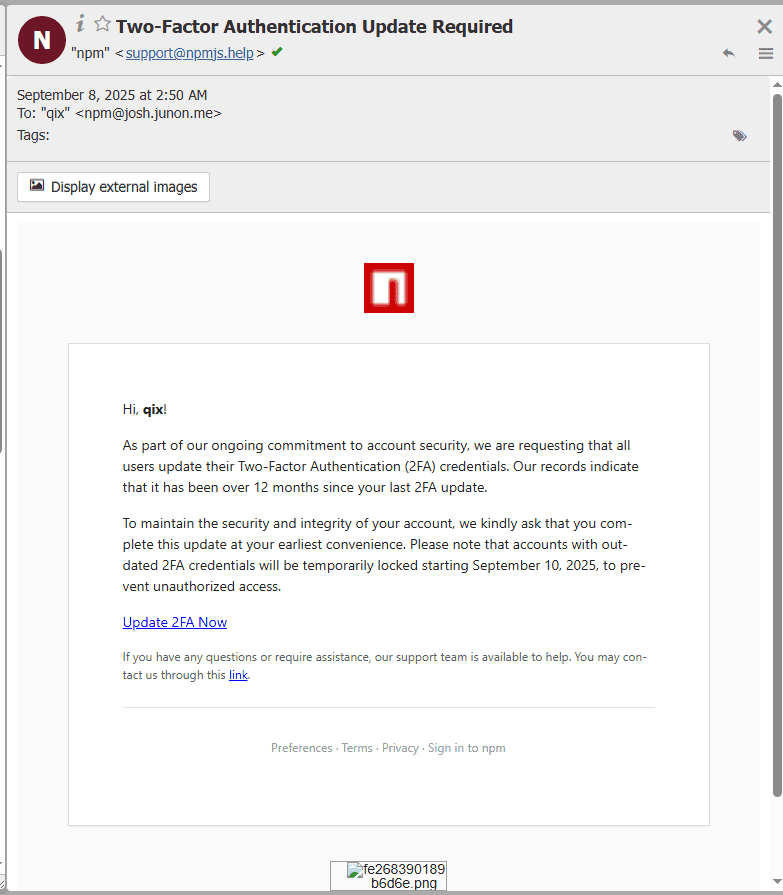
Current Token Model
Interactive logins yield 2-hour sessions post-MFA; OIDC binds CI runs to identities without stored secrets.
Remaining Vulnerabilities
Console access via phishing grants short tokens for quick publishes. 90-day tokens with MFA bypass mirror prior risks, scoped to read/write maintained packages.
No CVEs assigned.
Mitigation Gaps Table
Key unresolved areas persist.
Phishing Success | Short Token Window | MFA Optional Tokens
True | Minutes Sufficient | Yes
Recommendations Overview
Mandate MFA for uploads sans bypass; add release metadata flagging security practices. Ultimate: verifiable source builds like Chainguard JS libraries, blocking 98.5% artifact-only malware per historical data.
Npm supply chain upgrades reduce exposure but phishing/console access enables malicious versions, risking integrity across dependencies. OIDC ubiquity and enforced MFA would further harden ecosystem.



No Comment! Be the first one.