

Industrial organizations using SCADA platforms rely on continuous availability and system integrity to maintain safe operations. A newly analyzed vulnerability in the Iconics Suite highlights how weaknesses in file system privilege handling can undermine those objectives across sectors such as energy, manufacturing, and automotive production.
Vulnerability Overview and Affected Systems
CVE-2025-0921 affects Mitsubishi Electric Iconics Digital Solutions GENESIS64, part of the Iconics Suite for Microsoft Windows versions 10.97.2 and earlier. The flaw stems from privileged file system operations performed by certain services without sufficient access controls.
Under specific conditions, these operations can be misused to overwrite or corrupt critical system files, resulting in loss of availability.
The issue was identified during a broader security assessment that uncovered multiple vulnerabilities within the platform. While the CVSS score of 6.5 categorizes the issue as medium severity, its impact in operational technology environments is significant due to the potential for system-wide disruption.
The table below summarizes the documented vulnerability.
| CVE Identifier | Vulnerability Description | CVSS Score |
| CVE-2025-0921 | Execution with unnecessary privileges in multiple Iconics services enabling misuse of file system operations | 6.5 (Medium) |
Context of Privileged File System Operations
Privileged file system vulnerabilities arise when high-privilege processes interact with files or directories that can be influenced by lower-privilege users. In Iconics Suite, this behavior was observed within components associated with AlarmWorX64 MMX, the alarm management feature responsible for monitoring industrial processes and issuing alerts.
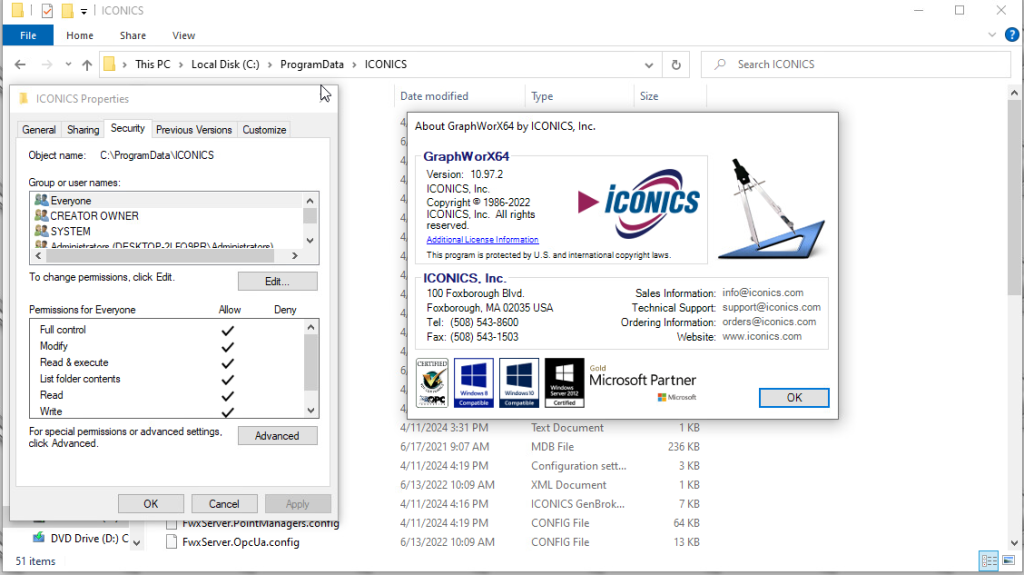
Configuration files written by privileged services may become writable if directory permissions are overly permissive. In such cases, attackers with local access could redirect legitimate write operations toward sensitive system locations, compromising integrity and availability without requiring administrative credentials.
Operational Impact in OT Environments
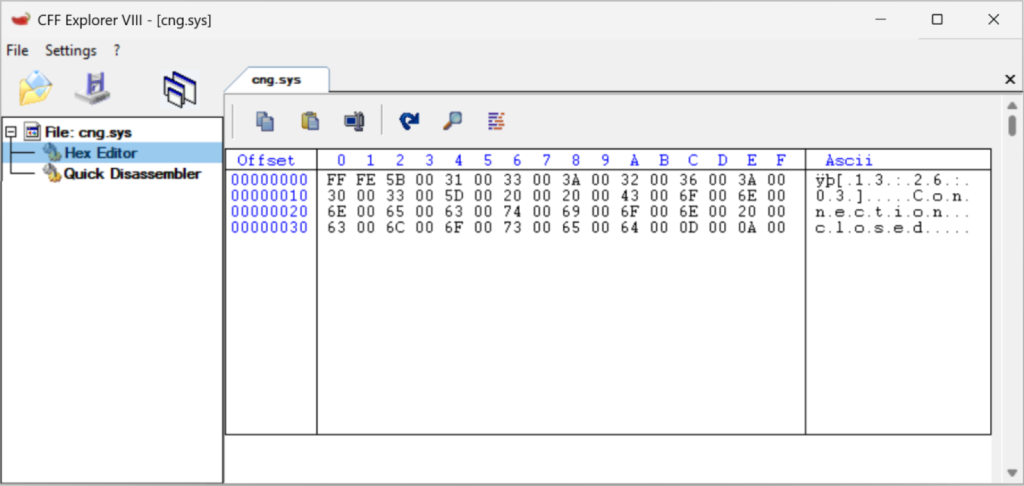
When critical binaries or drivers are corrupted, affected Windows systems may fail to boot or enter persistent recovery states. For OT engineering workstations and SCADA servers, this translates directly into denial-of-service conditions that can interrupt monitoring, control, and alarm functions. Even in the absence of chained vulnerabilities, misconfigurations or alternative permission weaknesses could expose similar risks.
Mitigation and Defensive Measures
Iconics coordinated with security researchers and released an advisory addressing CVE-2025-0921. Applying the recommended updates and workarounds removes the reported vulnerabilities and restores proper access controls.
Organizations are advised to review file and directory permissions, limit local user access, and ensure SCADA components run with the least privileges required.
CVE-2025-0921 underscores how seemingly moderate vulnerabilities can have outsized operational consequences in SCADA environments. By enabling denial-of-service through privileged file system misuse, the flaw threatens system availability and reliability. Timely application of vendor advisories, combined with robust access control and segmentation strategies, remains essential for maintaining resilient OT infrastructures.



No Comment! Be the first one.