
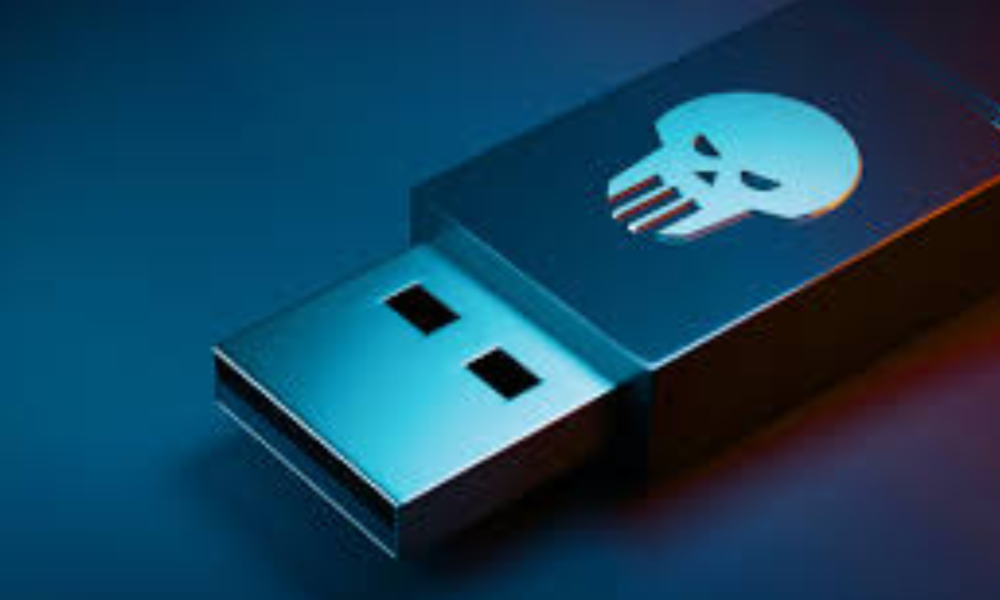
Japan’s defense apparatus is under fresh scrutiny after an investigation revealed that members of the Japan Self-Defense Forces (JSDF) used counterfeit USB drives embedded with malware linked to Chinese threat actors on systems handling classified information.
According to Nikkei reporting, these compromised devices were bought through unofficial channels at substantially reduced prices and circulated inside defense environments, sidestepping established procurement and supply-chain security controls.
Forensic examination of the drives found malicious firmware pre-installed on the USB controller that executed automatically when the device was connected, giving attackers a stealthy foothold below the operating system.
Japan JSDF USB Malware
This firmware-level implant initiated unauthorized processes, collected system metadata, and selectively accessed files, enabling covert data staging and exfiltration.
Analysts noted the malware’s behavior matched patterns seen in prior Chinese-linked cyber-espionage operations: modular payload delivery, advanced obfuscation, and command-and-control (C2) communication methods designed to retrieve additional components and remotely manage the implant.
The critical danger of firmware-resident malware lies in its ability to evade conventional endpoint detection and response tools, which typically inspect OS-level artifacts and user-space processes.
Because the malicious code runs on the device’s microcontroller, it can persist through OS reinstallation, remain invisible to antivirus signatures, and even bypass some host-based integrity checks.
Investigators warned that removable-media usage in restricted or air-gapped environments significantly expands the attack surface when devices are accepted without cryptographic verification or forensic validation.
The incident also highlights systemic weaknesses in procurement and supply-chain governance: unofficial sourcing allowed inexpensive counterfeit hardware to enter secure workflows without serial-number tracking, manufacturer attestation, or vendor audits.
In response, the Japanese Ministry of Defense has opened an internal review to determine the scope of exposure, assess whether lateral movement or broader network compromise occurred, and identify what classified material may have been accessed.
Immediate mitigation steps reported include stricter procurement policies that ban unofficial channels, enhanced device authentication and allowlisting, mandatory forensic inspection of any external media, and the deployment of specialized detection tools capable of identifying firmware anomalies and unusual USB behavioral telemetry.
Cybersecurity experts advocating longer-term resilience recommend adopting zero-trust principles for removable media, requiring cryptographic attestation and provenance for hardware used in sensitive settings, integrating firmware-scanning and USB-behavior analytics into security operations, and enforcing rigorous device lifecycle management with serial-number inventories and replacement schedules.
They also urge regular red-team exercises that emulate firmware-level implants so incident response teams can rehearse containment and remediation workflows that differ from typical host-based compromises.
While official public attribution has not been declared, technical indicators and attack patterns strongly suggest alignment with Chinese cyber-intelligence priorities focused on collecting military capabilities, internal communications, and strategic planning data.
Beyond attribution, the episode underscores a broader strategic lesson for defense networks worldwide: modern cyber threats increasingly exploit physical components of the technology supply chain.
So defenses must extend beyond software to include procurement integrity, hardware attestation, and organizational norms that treat every external device as untrusted.
Japan’s rapid operational review and policy changes are necessary first steps, but sustained investment in cryptographic device provenance, firmware visibility, and culture change around removable media will be essential to reduce the risk of similar hardware-based espionage campaigns in the future.






No Comment! Be the first one.